


Filter by
Subjects
Category
Type

Asset Lifecycle Model for Total Cost of Ownership Management
A framework, glossary, and metrics/cost models for the total cost of ownership management related to space management, project delivery, operations management, and […]
FM Project Data Authorization & Use Control
This article examines how FM service providers should control the use of project data during mobilization, takeover inspections and service planning. It […]

Building AI-Ready Facility Inspection Data: A Seven-Control Framework
Facility teams often want to apply AI to maintenance planning but lack inspection data that is sufficiently consistent and structured. This practical […]
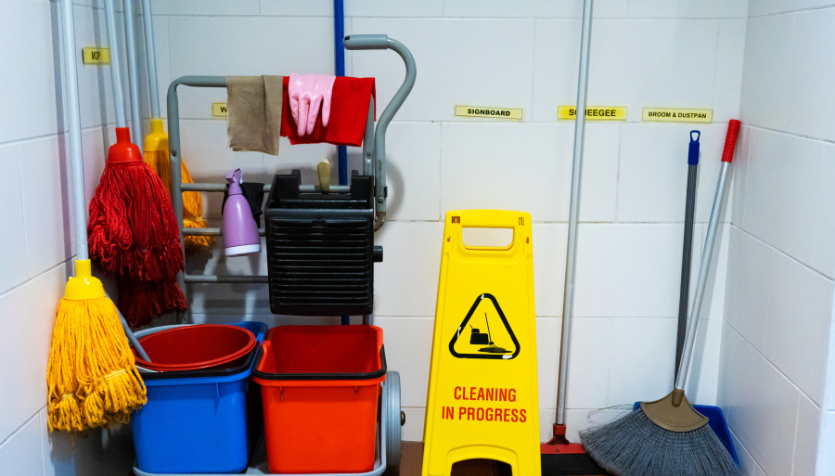
Industrial Restroom Performance Assessment
Industrial restrooms are used repeatedly throughout the workday, often during short periods of high demand. When supplies run out, dispensers fail or […]
Global Strategy, Local Impact: Inside IFMA's Workplace Evolutionaries
In this episode, host Edward Wagoner sits down with global leaders Tim Allen, Martin Ruppe and Kati Barklund to explore IFMA’s Workplace […]

Regenerative Facility Management: From Maintaining Facilities to Strengthening the Systems That Sustain Organizational Performance
The future contribution of FM should not be defined only by how efficiently it maintains facilities, but also by whether the systems […]
Why Procurement Holds the Key to Circular FM
Circularity isn’t just about reducing waste. It’s about improving workplace operations, reducing costs and creating better experiences for building occupants. Hélène Carpentier […]
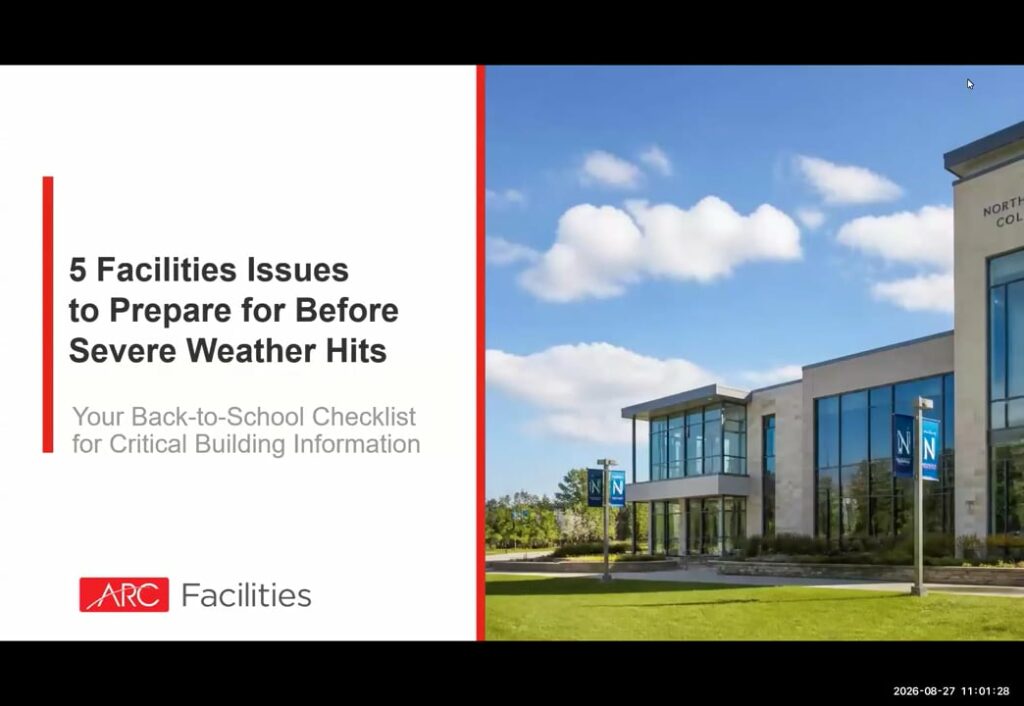
5 Facilities Issues to Prepare for Before Severe Weather Hits
This webinar examines five facility issues that can escalate during severe weather, including water intrusion, power outages, HVAC failures, roof damage, and […]

How Facility Emergency Preparedness Software Puts Building Plans in Your Team's Hands
Effective emergency preparedness depends on giving facilities teams immediate, field-ready access to current building plans, utility shutoffs, life safety information, equipment documentation, […]
Five Facility Emergencies
Facility emergencies such as water leaks, electrical failures, HVAC outages, life safety incidents, and construction damage require immediate access to accurate building […]